How Often Should You Apply a Top Coat to Maintain Ceramic Protection
Ceramic coatings are widely used to provide a durable layer of protection on automotive paintwork. These coatings form a semi-permanent bond with the surface, offering resistance to environmental contaminants, UV radiation, and minor abrasions. However, even the most advanced ceramic coatings gradually lose their effectiveness over time due to exposure to harsh conditions, washing routines, and natural wear. To maintain the original level of protection, many detailers and manufacturers recommend the periodic use of a top coat or booster product. This article examines how often a top coat should be applied, with a focus on silica-based formulations, and outlines a methodical approach to extending the life of a ceramic coating.
The underlying principle behind a top coat is to replenish the protective layer without requiring a full reapplication of the base coating. Silica-based toppers are designed to bond with the existing ceramic layer, restoring hydrophobic properties and adding a fresh sacrificial barrier. The frequency of application depends on several variables, including the quality of the original coating, environmental exposure, and the vehicle’s usage patterns. While a general guideline suggests a booster every six months, individual needs may vary. Understanding how to assess coating condition and apply a top coat correctly helps maintain consistent performance over time.
It is important to note that no product guarantees indefinite protection. The longevity of any protective layer is influenced by external conditions such as climate, road salt, bird droppings, and washing methods. The information provided here is intended as a general reference for those who wish to preserve the benefits of a ceramic coating through a structured maintenance routine.
Understanding Ceramic Coating Longevity
Ceramic coatings are typically composed of silicon dioxide (SiO2) or similar compounds that chemically bond to the paint. This bond creates a hard, glass-like surface that repels water and contaminants. Over months of use, the coating’s contact angle gradually decreases as microscopic abrasions and chemical exposure degrade the topmost layer. The rate of degradation is not uniform; a vehicle parked outdoors in an industrial area may experience faster decline than one stored in a garage and driven infrequently.
Many manufacturers rate their ceramic coatings to last between one and five years, but these estimates assume ideal conditions and proper care. Real-world performance often falls short of that range without supplemental maintenance. The topmost few microns of the coating are responsible for the hydrophobic beading and self-cleaning effect. Once these are worn away, the underlying protection still exists, but the surface becomes less slick and more prone to staining. Applying a top coat restores the hydrophobic layer, effectively resetting the surface characteristics without removing the base coating.
A top coat, also referred to as a spray sealant or booster, typically contains a lower concentration of SiO2 or other siloxanes. It fills in microscopic imperfections and creates a fresh barrier. The durability of a top coat itself is limited—usually lasting from a few weeks to several months—which is why regular reapplication forms part of a maintenance schedule.
The Role of Silica-Based Top Coats
Silica-based toppers are among the most common booster products on the market. They are formulated to bond with existing ceramic layers, leveraging the same chemistry that made the original coating effective. Unlike waxes or polymer sealants, silica-based toppers do not create a completely separate layer; instead, they integrate with the coating’s molecular structure. This integration helps avoid issues like peeling or hazing that can occur when incompatible products are layered.
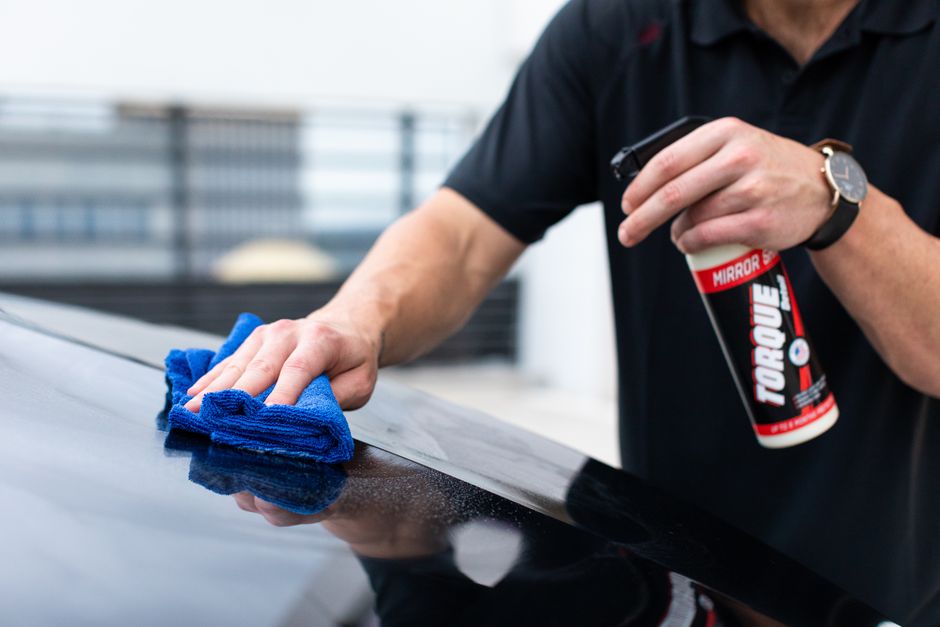
These top coats are typically applied as a spray and then spread evenly with a microfiber towel. The application process is simpler than applying a full ceramic coating, making it accessible for vehicle owners who prefer to handle maintenance themselves. Silica-based toppers also tend to have a shorter curing time, often being ready for exposure to moisture within minutes. This convenience supports a more frequent maintenance cycle without demanding significant time or expertise.
One of the key benefits of using a silica-based topper is the restoration of high water contact angles, which results in distinct beading and sheeting. This not only improves aesthetic appearance but also facilitates easier cleaning, as dirt and bird droppings are less likely to adhere strongly. However, the topper itself is sacrificial and will degrade over time, which is why periodic reapplication is recommended.
Recommended Application Frequency
Common guidance from detailing professionals suggests applying a silica-based top coat every six months as part of a standard maintenance routine. This interval aligns with seasonal changes in many regions, allowing the vehicle to be refreshed before winter road salt or summer UV exposure peaks. For vehicles that are washed frequently or exposed to harsh conditions, a shorter interval of every three to four months may be more appropriate.
It is possible to gauge the need for a top coat by observing water behavior on the surface. When water no longer beads tightly and instead sheets off or leaves flat spots, the hydrophobic layer has diminished. Another indicator is the ease of drying: a surface that requires more effort to dry without water spots often signals that the top coat has worn. Regular inspection of these visual cues helps determine when a booster is needed, rather than adhering strictly to a calendar schedule.
For those who use automated car washes or harsh chemical cleaners, the degradation rate can accelerate. In such cases, applying a top coat every two to three months may help maintain adequate protection. Conversely, a vehicle that is hand-washed with pH-neutral soaps and stored indoors might extend the interval to nine or even twelve months before a noticeable drop in performance occurs.
Step-by-Step Application Process
Before applying a silica-based top coat, the surface must be clean and free of contaminants. A thorough wash using a dedicated car shampoo, followed by a clay bar treatment if necessary, ensures that the top coat bonds directly to the ceramic layer. Any residual wax, polish, or sealant should be removed, as these can interfere with adhesion.
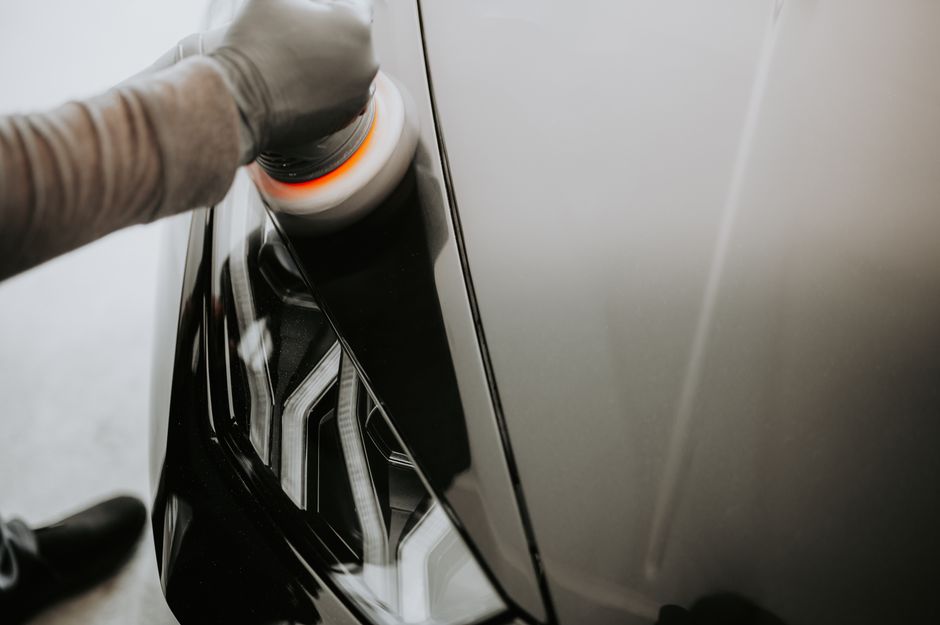
Once the surface is clean and dry, the top coat spray is applied to a small section, typically a panel at a time. A few sprays are sufficient; overapplication can lead to streaking or uneven thickness. Using a clean, soft microfiber towel, the product is spread evenly using light pressure. After a short dwell time (as specified on the product label), the surface is buffed with a second dry microfiber towel to remove any excess and achieve a uniform shine.
The process should be carried out in a shaded area or indoors to prevent the product from drying too quickly, which can cause streaks. Some silica-based toppers require a brief curing period before exposure to moisture, so it is advisable to consult the manufacturer’s instructions. After application, the surface typically exhibits renewed water beading and a slick feel. Regular maintenance washes with pH-neutral soaps help prolong the effect of the top coat.
Factors That Influence Coating Performance
Several factors can affect how long a ceramic coating and its top coat maintain their properties. Environmental conditions such as acid rain, tree sap, and industrial fallout can chemically attack the coating, accelerating wear. Mechanical abrasion from washing with dirty mitts, using abrasive sponges, or driving through dusty roads also contributes to surface degradation.
The quality and thickness of the original ceramic coating play a significant role. A professionally applied, multi-layer coating with high solids content tends to outlast a consumer-grade single-layer product. Similarly, the curing process after initial application matters; coatings that are not allowed to cure fully (often 24–72 hours in controlled conditions) may have reduced durability. Applying a top coat to a well-cured base yields better results than one applied prematurely.
Even with regular top coat use, the underlying ceramic coating will eventually degrade to a point where a full reapplication becomes necessary. Monitoring the overall condition of the paint, including gloss retention and resistance to marring, provides insight into when the base coating itself needs renewal. A top coat is a maintenance tool, not a permanent solution, and its effectiveness depends on the integrity of the underlying layer.
Monitoring and Adjusting the Maintenance Schedule
Vehicle owners and detailers can develop a personalized maintenance schedule by tracking water repellency, gloss level, and cleaning ease over time. Keeping a simple log of application dates and observed conditions helps identify patterns. For instance, if a top coat applied in spring loses its effectiveness by mid-summer, that indicates a shorter interval may be needed during that season.
It is also beneficial to rotate products occasionally to see if a different formulation provides longer-lasting results. Some silica-based toppers contain additional polymers that enhance durability, while others focus on ease of application. Testing a small area before committing to a full application can inform the choice. Regardless of the product chosen, consistent care and attention to washing techniques remain essential to maximizing the benefits of both the coating and the top coat.
In summary, a six-month interval serves as a practical starting point for applying a silica-based top coat to maintain ceramic protection. Adjustments based on environmental exposure, washing habits, and visual indicators allow for a tailored approach. By following a systematic application process and observing surface behavior, it is possible to extend the effective life of a ceramic coating while preserving the aesthetic and protective qualities that make it a popular choice for paint protection.